Introduction
The Vivo X200 Pro and the iPhone 13 Pro sit on opposite ends of the smartphone timeline. The X200 Pro is a 2024/2025 flagship built around a massive battery, a Zeiss-tuned triple camera system, and MediaTek’s latest silicon. The iPhone 13 Pro, released back in 2021, is now a budget-friendly former flagship that still holds up thanks to Apple’s long software support and a camera system that was ahead of its time. This comparison puts the two head-to-head across design, display, performance, cameras, battery, and value, to help you decide whether the newer Android flagship or the older-but-refined iPhone makes more sense for you.
Vivo X200 Pro vs iPhone 13 Pro: Quick Comparison
| Spec | Vivo X200 Pro | iPhone 13 Pro |
|---|---|---|
| Release | October 2024 | September 2021 |
| Display | 6.78″ AMOLED, 120Hz LTPO, 4500 nits peak | 6.1″ Super Retina XDR OLED, 120Hz ProMotion |
| Chipset | MediaTek Dimensity 9400 (3nm) | Apple A15 Bionic (5nm) |
| RAM/Storage | Up to 16GB / 1TB | Up to 6GB / 1TB |
| Rear Cameras | 50MP main, 50MP ultra-wide, 200MP periscope telephoto (Zeiss) | 12MP main, 12MP ultra-wide, 12MP telephoto (3x) |
| Battery | 6000 mAh | 3095 mAh |
| Charging | 90W wired, 30W wireless | 20W wired (sold separately), 15W MagSafe |
| OS | Android 15 (Funtouch OS 15) | iOS, upgradable through iOS 18 |
| Build | Aluminum frame, glass front/back, IP68/IP69 | Stainless steel frame, glass front/back, IP68 |
Design and Build Quality
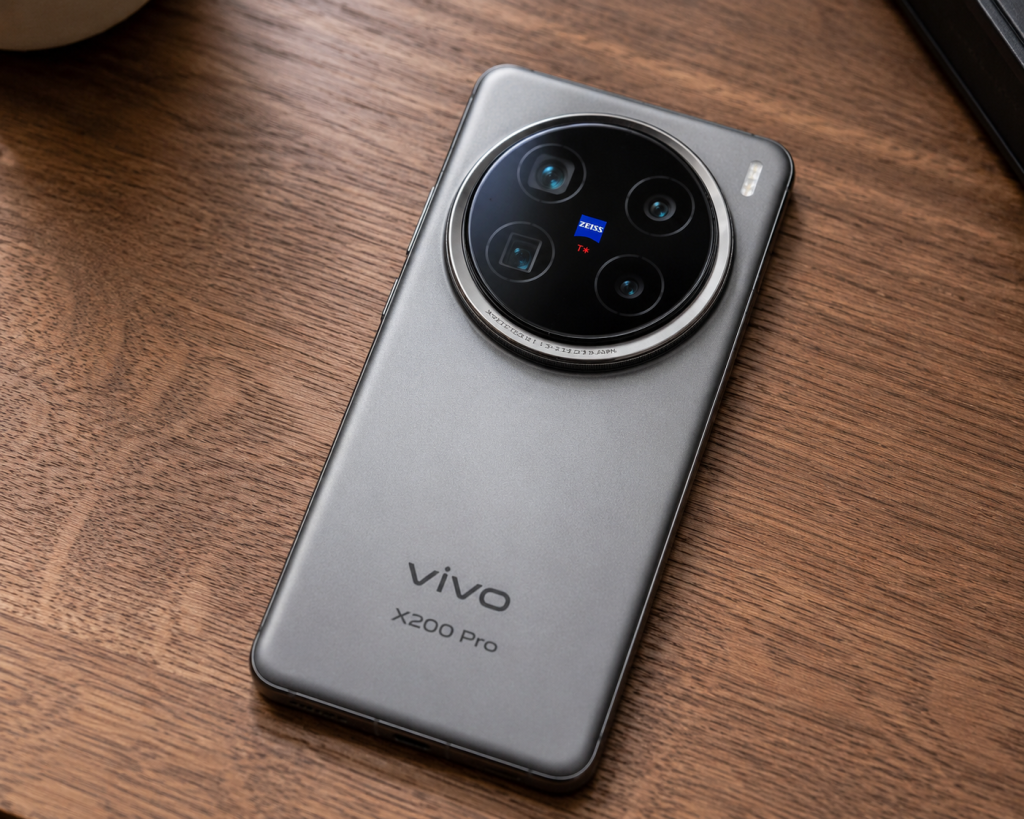
The Vivo X200 Pro is a large, curved-screen phone with a substantial camera bump that spans almost the width of the phone’s back. It uses an aluminum frame with Armor Glass on the front, and it’s rated <cite index=”5-1″>IP68 for dust and submersion resistance along with an IP69 rating that allows it to withstand high-pressure water jets</cite>. It’s a heavy phone, comparable in heft to an iPhone 16 Pro Max, and its curved, glossy back can feel a little slippery without a case.
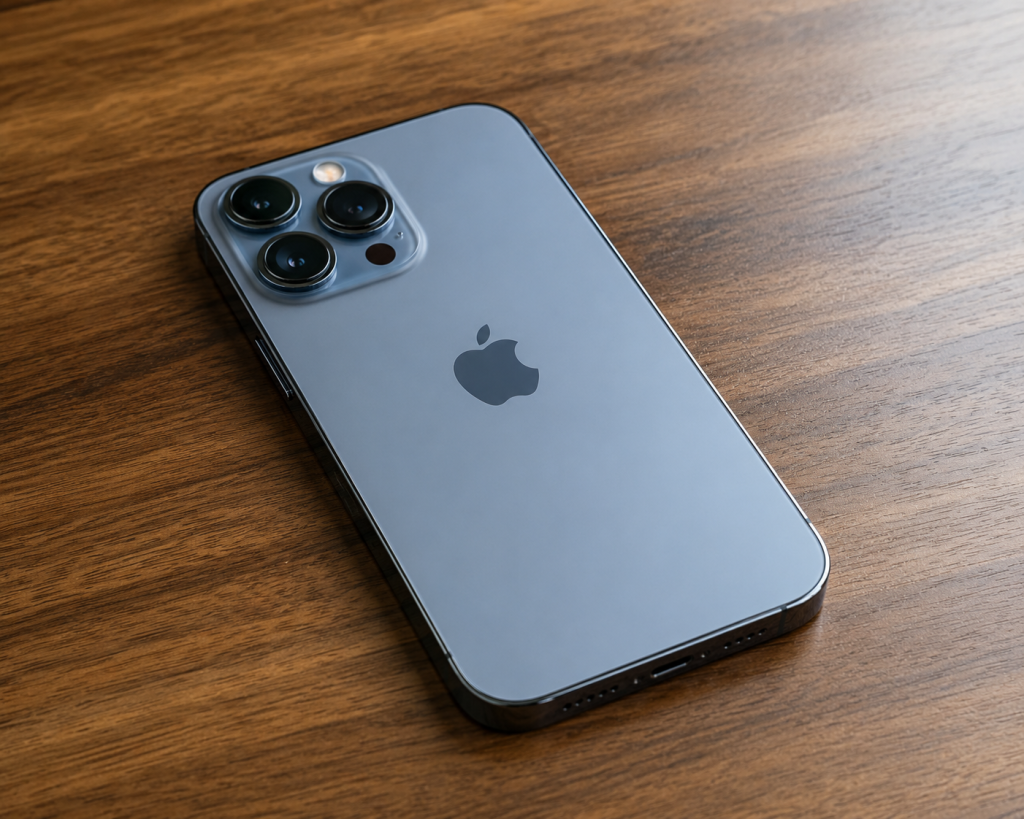
The iPhone 13 Pro, by contrast, uses Apple’s signature flat-edge stainless steel frame with a textured matte glass back. It’s noticeably smaller and easier to hold one-handed, though the stainless steel does attract fingerprints. Both phones carry IP68 water and dust resistance, but the X200 Pro’s build feels more overtly “flagship-sized,” while the iPhone 13 Pro’s design has aged gracefully and still feels premium today.
Display Comparison
The X200 Pro’s 6.78-inch AMOLED panel is a clear step up on paper: it runs at 120Hz with LTPO technology that scales down to 0.1Hz for power savings, supports HDR10+, and Vivo advertises a peak brightness of 4500 nits, protected by Schott Xensation Alpha glass.
The iPhone 13 Pro’s 6.1-inch Super Retina XDR display also supports 120Hz ProMotion and HDR10/Dolby Vision, but its peak brightness tops out far lower, around 1000 nits typical and 1200 nits for HDR content. In daily use both screens look excellent, but the Vivo pulls ahead in outdoor visibility and sheer size, while the iPhone remains sharper for one-handed use and slightly more color-accurate out of the box.
Performance and Gaming Test
The Dimensity 9400 in the X200 Pro is a 3nm chip built around Arm’s latest Cortex-X925 core paired with an Immortalis-G925 GPU, and it benchmarks well ahead of the A15 Bionic in raw multi-core and graphics throughput. In sustained gaming sessions, the X200 Pro’s larger battery and vapor chamber cooling let it maintain high frame rates in demanding titles for longer stretches without significant thermal throttling.
The A15 Bionic, despite being three years older, is still a capable performer for its era and handles most mobile games smoothly at 60fps, though it will show its age in the newest, most demanding titles compared to current-generation chips. For anyone prioritizing raw gaming performance and longevity, the X200 Pro has a clear generational advantage.
Camera Comparison
This is where the two phones diverge the most philosophically. The X200 Pro’s triple-camera system, co-engineered with Zeiss, includes <cite index=”9-1″>a 50MP main camera with a 1/1.28-inch Sony sensor, a 50MP ultra-wide camera, and a 200MP periscope telephoto camera offering 3.7x optical zoom</cite>. The iPhone 13 Pro sticks with a more modest three 12MP sensors: main, ultra-wide, and a 3x telephoto, all tuned around Apple’s computational photography pipeline rather than sheer megapixel count.
Daylight Camera Performance
In good light, the X200 Pro produces images with more resolved detail thanks to its larger main sensor and higher-resolution telephoto camera, and its zoom shots at 3.7x and beyond retain noticeably more detail than the iPhone’s 3x telephoto can manage. The iPhone 13 Pro’s daylight shots lean toward a more neutral, true-to-life color science, and its dynamic range handling remains very competitive even against newer phones, though it can’t match the Vivo’s zoom reach or peak resolution.
Low-Light and Night Photography
The X200 Pro’s larger sensors and Zeiss optics give it a real edge after dark, pulling in more light and producing cleaner, more detailed night shots, particularly at telephoto distances where the iPhone struggles. The iPhone 13 Pro’s Night Mode is still solid for a 2021 phone and produces pleasing, well-balanced low-light images, but it shows more noise and softer detail than the X200 Pro once light levels drop significantly.
Video Recording Quality
Apple’s video processing has long been a strength, and the iPhone 13 Pro still records excellent 4K footage with accurate colors, strong stabilization, and support for Dolby Vision HDR recording. The X200 Pro supports 4K recording across its cameras as well, including dedicated Cinematic Portrait video modes, and can match or exceed the iPhone in raw detail, but Apple’s more mature video color science and stabilization algorithms still give the iPhone an edge for casual videographers, especially when shooting handheld.
Battery Life Test
This category isn’t close. The X200 Pro’s 6000mAh cell, paired with an efficient 3nm chipset, delivers all-day-and-then-some battery life. Independent lab testing recorded <cite index=”10-1″>nearly 10 hours of continuous gaming, close to 14 hours of web browsing, and roughly 18 hours of looping video playback</cite>, for a combined active-use score of just over 15 hours.
The iPhone 13 Pro’s 3095mAh battery is small by comparison, and while iOS’s efficient power management stretches it further than the raw capacity suggests, it typically delivers a full day of moderate use rather than the multi-day stamina the X200 Pro can offer. Heavy gaming or camera use will drain the iPhone noticeably faster.
Charging Speed Comparison
The X200 Pro supports 90W wired charging, <cite index=”10-1″>completing a full empty-to-full charge in about 49 minutes in testing</cite>, and also offers 30W wireless charging. The iPhone 13 Pro tops out at 20W wired charging (with the charger sold separately) and 15W MagSafe wireless charging, taking well over an hour to charge fully. This is another category where the newer Vivo flagship simply has a large generational advantage.
Software and User Experience
The X200 Pro runs Android 15 with Vivo’s Funtouch OS 15 layered on top internationally (OriginOS 5 in China), and Vivo has committed to four years of major Android updates and five years of security patches. The iPhone 13 Pro runs iOS and has already received several years of major updates, with Apple generally supporting iPhones for five to six years or more, meaning it’s likely to keep receiving updates for some time yet despite its age.
In daily use, iOS remains the more polished, consistent experience with tighter integration across Apple’s ecosystem (Mac, iPad, Apple Watch), while Funtouch OS offers more customization and AI-driven features but can feel less refined and occasionally cluttered with bundled apps.
Connectivity and Extra Features
Both phones support 5G, Wi-Fi 6, and Bluetooth 5. The X200 Pro adds an ultrasonic in-display fingerprint scanner, which tends to be more reliable in varying conditions than optical alternatives, along with IR blaster support in some markets. The iPhone 13 Pro relies on Face ID rather than a fingerprint sensor, which some users prefer and others find less convenient depending on use case (like unlocking while wearing a mask). The iPhone also supports MagSafe accessories, a growing ecosystem Vivo doesn’t have an equivalent for.
Benchmark Scores
Synthetic benchmarks consistently place the Dimensity 9400 in the X200 Pro well ahead of the three-year-old A15 Bionic in both CPU and GPU-focused tests, reflecting the three-year silicon gap between them. This translates to smoother performance in demanding apps, faster file exports, and more comfortable multitasking on the Vivo, though the iPhone remains snappy for typical daily tasks thanks to tight hardware-software optimization.
Pros and Cons
Vivo X200 Pro
- Pros: Massive battery, fast charging, superior zoom camera, bigger and brighter display, newer chipset
- Cons: Heavy and slippery without a case, limited availability in some Western markets, Funtouch OS can feel busy
iPhone 13 Pro
- Pros: Polished iOS experience, strong video recording, compact and easy to hold, mature app ecosystem, Face ID and MagSafe
- Cons: Small battery by today’s standards, slower charging, aging chipset, telephoto zoom falls behind
Price and Value for Money
The iPhone 13 Pro, now several years old, is typically available at a significant discount compared to its original price, making it an appealing entry point into Apple’s ecosystem for buyers on a budget. The Vivo X200 Pro, as a current flagship, commands a higher price but delivers meaningfully more hardware for the money: a bigger battery, faster charging, and a more capable camera system, particularly for zoom photography.
Who Should Buy the Vivo X200 Pro?
The X200 Pro suits buyers who want the latest hardware, prioritize battery life and charging speed, and are serious about mobile photography, especially zoom and night shots. It’s also a good fit for gamers who want sustained performance without worrying about battery anxiety.
Who Should Buy the iPhone 13 Pro?
The iPhone 13 Pro makes sense for people already invested in Apple’s ecosystem, buyers who prefer a smaller and lighter phone, or anyone who wants strong video recording and a reliable, well-supported iOS experience without paying flagship prices.
Final Verdict
On raw specs and most head-to-head tests, the Vivo X200 Pro wins: it has a much bigger battery, faster charging, a newer and faster chipset, and a more versatile camera system, especially at zoom and in low light. The iPhone 13 Pro, despite its age, still holds its own in video quality, ecosystem integration, and everyday polish, and remains a smart buy for anyone wanting an affordable way into iOS. The right choice ultimately comes down to whether you value cutting-edge Android hardware and camera versatility, or the mature, integrated experience of an older iPhone at a lower price.
Frequently Asked Questions (FAQs)
Is the Vivo X200 Pro better than the iPhone 13 Pro? In most technical categories — battery, charging, display, chipset, and zoom photography — yes. The iPhone 13 Pro still competes well in video recording and software polish.
Does the Vivo X200 Pro support wireless charging? Yes, it supports 30W wireless charging alongside 90W wired charging.
How long does the iPhone 13 Pro’s battery last? Typically a full day of moderate use, though heavy gaming or camera use will drain it faster than the X200 Pro’s much larger battery.
Which phone has a better camera for zoom photography? The Vivo X200 Pro, thanks to its 200MP periscope telephoto camera offering 3.7x optical zoom, well beyond the iPhone 13 Pro’s 3x telephoto lens.
Is the iPhone 13 Pro still worth buying today? Yes, especially at a discounted price, for buyers who want a compact, well-supported iPhone with strong video quality and don’t need the latest specs.