Introduction
Choosing between a flagship Android phone and a still-popular Apple “Plus” model is one of the trickiest decisions in tech right now. The Google Pixel 10 Pro, launched in August 2025, brings Google’s latest Tensor G5 chipset, deep Gemini AI integration, and a refined triple-camera system. The iPhone 15 Plus, released back in September 2023, is now an older but still capable device, known for its large 6.7-inch display, all-day battery, and Apple’s clean, locked-down software experience. This article breaks down every major category to help you decide which phone actually fits your needs and budget.
Quick Comparison
| Feature | Pixel 10 Pro | iPhone 15 Plus |
|---|---|---|
| Release Date | August 2025 | September 2023 |
| Display | 6.3″ LTPO OLED, 120Hz | 6.7″ OLED, 60Hz |
| Chipset | Google Tensor G5 | Apple A16 Bionic |
| RAM | 16GB | 6GB |
| Storage Options | 128GB–1TB | 128GB–512GB |
| Rear Cameras | 50MP main + 48MP ultrawide + 48MP telephoto (5x) | 48MP main + 12MP ultrawide |
| Battery | 4,870mAh | 4,383mAh |
| Charging | Wired + Qi2 wireless | Wired + Qi/MagSafe wireless |
| OS | Android 16 | iOS 17 (upgradeable) |
| Build | Aluminum frame, Gorilla Glass Victus 2, IP68 | Aluminum frame, glass back, IP68 |
Design & Build Quality
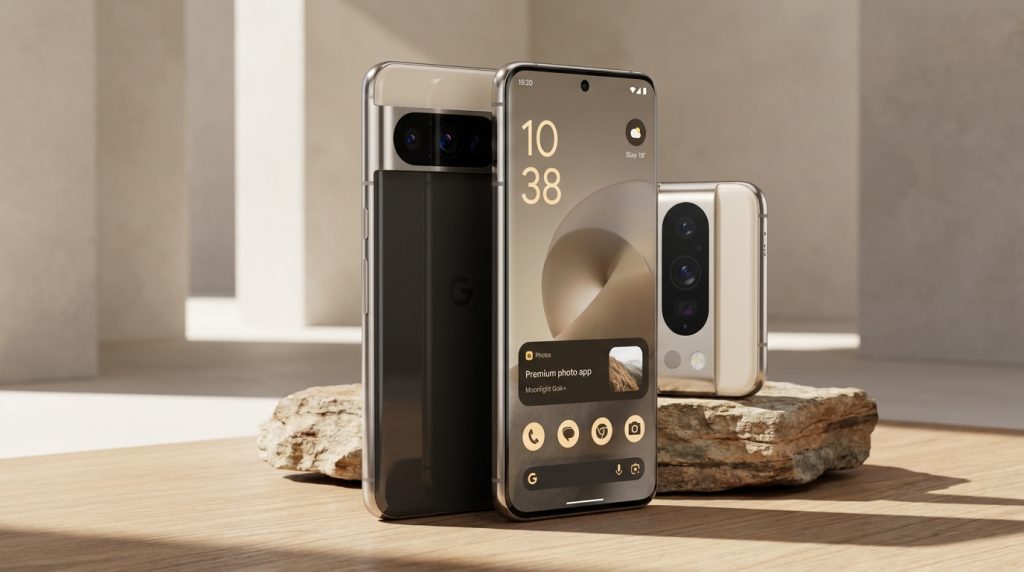
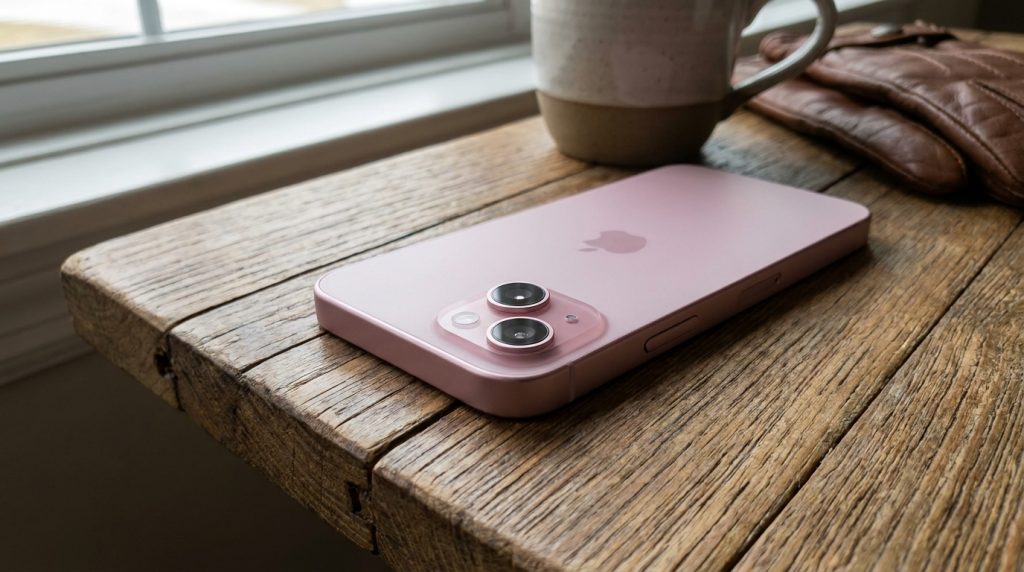
The Pixel 10 Pro keeps Google’s signature camera bar design but refines it with a more integrated look, an aluminum frame, and Gorilla Glass Victus 2 on front and back. It’s a fairly compact phone for a “Pro” model, making it easier to handle one-handed compared to the larger Pro XL variant. The iPhone 15 Plus, on the other hand, sticks with Apple’s familiar flat-edge design language, a color-infused glass back, and the Dynamic Island cutout up front. Both phones carry IP68 water and dust resistance, so durability is roughly a wash. The Pixel feels slightly more modern in 2026, while the iPhone 15 Plus has the timeless, understated Apple aesthetic that still holds up well.
Display Comparison
This is where the two phones diverge sharply in philosophy. The Pixel 10 Pro packs a 6.3-inch LTPO OLED panel with a 120Hz adaptive refresh rate, HDR10+ support, and a blistering peak brightness around 3,300 nits. The iPhone 15 Plus has a larger 6.7-inch OLED screen but is capped at a 60Hz refresh rate (a notable omission, since even the iPhone 15 Pro had ProMotion). For smooth scrolling and gaming, the Pixel’s 120Hz display is a clear winner; for sheer screen real estate, the iPhone 15 Plus has the edge.
Performance & Processor
The Pixel 10 Pro runs on Google’s in-house Tensor G5 chip, built on a 3nm process and paired with a generous 16GB of RAM across all storage tiers. It’s tuned less for raw benchmark dominance and more for sustained AI workloads. The iPhone 15 Plus uses Apple’s A16 Bionic, a chip that was already a year old at launch but still benefits from Apple’s tight hardware-software integration, delivering excellent single-core performance and efficiency despite having far less RAM (6GB) on paper. In daily use, both phones feel fast and responsive, but the Pixel has a longer runway thanks to newer silicon and significantly more memory.
Software & User Experience
The Pixel 10 Pro ships with Android 16 and is promised up to seven years of major OS upgrades, an aggressive commitment that rivals Apple’s own update support. The interface is more customizable, supports widgets and third-party defaults more flexibly, and is deeply woven with Gemini AI across system apps. The iPhone 15 Plus runs iOS, which remains the gold standard for polish, consistency, and long-term software support, though it’s more locked down and less customizable. If you prefer flexibility and AI experimentation, the Pixel wins; if you prioritize simplicity and ecosystem consistency, iOS still leads.
Camera Comparison
The Pixel 10 Pro has a clear camera hardware advantage: a 50MP main sensor with improved optical image stabilization, a 48MP ultrawide with macro focus, and a 48MP telephoto offering 5x optical zoom (with digital zoom pushed absurdly far via AI). Reviewers note that the combination of solid hardware and excellent computational photography results in excellent photos. The iPhone 15 Plus has a competent but simpler dual-camera setup: a 48MP main sensor and a 12MP ultrawide, with no dedicated telephoto lens. Apple’s color science and video recording remain excellent, but the Pixel’s added zoom range and AI-powered editing tools (Magic Eraser, Best Take) give it a practical edge for most users, especially anyone who shoots a lot of distant subjects or low-light scenes.
Battery Life
Both phones offer solid all-day battery life, but the comparison is nuanced. The Pixel 10 Pro’s battery lasted around 38 hours in lab testing, an above-average lifespan. However, some reviewers note that real-world heavy use, especially with always-on AI features, can pull battery life down faster than Google’s marketing suggests. The iPhone 15 Plus is well regarded for its efficient A16 chip and large 4,383mAh cell, often delivering reliably strong screen-on time. In practice, both phones comfortably get most users through a full day, with the Pixel having a slight edge in capacity and the iPhone benefiting from chip efficiency.
Charging Speed
The Pixel 10 Pro supports faster wired charging along with upgraded Qi2 wireless charging, which now includes magnetic alignment similar to Apple’s MagSafe. This is a meaningful upgrade over previous Pixel generations. The iPhone 15 Plus supports wired charging (capped around 20-27W) and MagSafe wireless charging up to 15W. Neither phone is class-leading on raw charging speed compared to some Android rivals, but the Pixel 10 Pro’s newer Qi2 implementation gives it a slight practical advantage for wireless top-ups.
Storage & RAM Options
The Pixel 10 Pro is the more flexible option here, offered in 128GB, 256GB, 512GB, and a massive 1TB configuration, with 16GB of RAM standard across every tier. The iPhone 15 Plus tops out at 512GB and comes with only 6GB of RAM. While iOS has historically managed memory more efficiently than Android, the Pixel’s higher RAM ceiling and larger top-end storage option make it better suited for power users, heavy multitaskers, or anyone storing large amounts of 4K/8K video.
Gaming Performance
Thanks to its 120Hz LTPO display and newer Tensor G5 chip, the Pixel 10 Pro offers a smoother gaming experience, particularly for fast-paced titles where high refresh rate matters. The iPhone 15 Plus’s A16 Bionic still handles most mobile games well, but the 60Hz display caps the visual smoothness you’ll notice during gameplay. For casual gaming, both are fine; for anyone who cares about frame rate and visual fluidity, the Pixel 10 Pro is the better pick.
AI Features
This is arguably the Pixel 10 Pro’s biggest selling point. Every AI feature found on the larger Pixel 10 Pro XL is also included on the Pixel 10 Pro, including the full suite of Gemini features, on-device call screening, Magic Cue for contextual suggestions, and AI-powered photo editing tools like Magic Eraser. That said, reviewers note Gemini can still struggle to reliably complete certain on-device tasks, so the experience isn’t flawless. The iPhone 15 Plus, by contrast, predates Apple Intelligence entirely and has limited on-device AI capability, relying mostly on Siri’s older, more basic command structure. If AI features are a priority, the Pixel 10 Pro is far ahead.
Connectivity (5G, Wi-Fi, Bluetooth, NFC)
Both phones support 5G connectivity, modern Wi-Fi standards, Bluetooth, and NFC for contactless payments (Google Pay and Apple Pay respectively). The Pixel 10 Pro, being two years newer, supports more current Wi-Fi and Bluetooth specifications and tends to have stronger mmWave 5G band support depending on carrier and region. For most everyday users, both phones will perform similarly well on typical networks, but the Pixel has a slight technical edge due to its newer radios.
Security & Privacy
Apple’s iOS has long been praised for its strict app review process, sandboxing, and privacy-focused default settings, and the iPhone 15 Plus benefits from all of that, plus Face ID for biometric security. The Pixel 10 Pro counters with Google’s Titan M-series security chip, regular monthly security patches, and an under-display fingerprint sensor alongside face unlock. Both ecosystems are considered secure, but Apple still holds a slight reputational edge for privacy-by-default, while Google has closed much of the gap with Pixel-specific hardware security features.
Audio & Multimedia
The iPhone 15 Plus offers excellent stereo speakers, strong Dolby Atmos support, and tight integration with Apple Music and AirPods. The Pixel 10 Pro also delivers solid stereo sound and supports high-res audio codecs that some iPhones don’t, giving it an edge for audiophiles using compatible headphones. Video playback and HDR support are strong on both displays, though the Pixel’s higher peak brightness gives outdoor HDR content a slight visual advantage.
Price Comparison
The Pixel 10 Pro launched at a premium flagship price point, generally higher than the iPhone 15 Plus’s current discounted pricing, since the iPhone 15 Plus is now an older model frequently found on sale or bundled with carrier deals. If budget is the primary concern, the iPhone 15 Plus often represents better value today simply due to its age and resulting price drops. If you want the newest technology and don’t mind paying a premium, the Pixel 10 Pro justifies its cost with better cameras, AI, and display tech.
Pros and Cons
Pixel 10 Pro
Pros: 120Hz bright display, superior triple-camera system with telephoto zoom, extensive AI features, 16GB RAM standard, up to 1TB storage, long software support commitment.
Cons: Higher price, battery life can disappoint under heavy AI use, camera app UI can feel cluttered for newcomers.
iPhone 15 Plus
Pros: Reliable performance, excellent build quality, strong ecosystem integration, often available at a lower price now, dependable battery life.
Cons: 60Hz display feels dated, no telephoto lens, limited on-device AI, lower RAM, smaller maximum storage.
Who Should Buy the iPhone?
The iPhone 15 Plus is the better choice if you’re already embedded in Apple’s ecosystem (Mac, iPad, AirPods, Apple Watch), want a large display without paying current flagship prices, and prioritize a clean, stable software experience over experimenting with new AI gimmicks. It’s also a strong pick for anyone who values resale value and long-term iOS update support without needing the absolute latest camera technology.
Who Should Buy the Android Phone?
The Pixel 10 Pro makes more sense for users who want cutting-edge AI tools baked directly into the OS, care about photography flexibility (especially zoom), and prefer a smoother, higher-refresh-rate display. It’s also the better pick for power users who want more RAM and storage headroom, or anyone who simply wants the newest hardware available right now rather than a phone that’s a couple of years old.
Final Verdict
These two phones aren’t really direct rivals so much as representatives of two different moments in smartphone development. The Pixel 10 Pro is a 2025-era flagship with modern AI smarts, a sharper camera system, and a faster, brighter display. The iPhone 15 Plus is an older but still very capable phone that now competes more on value than on raw specs. If money is no object and you want the most advanced experience, the Pixel 10 Pro is the stronger overall device. If you want proven reliability, Apple’s ecosystem, and a lower price tag, the iPhone 15 Plus remains a smart buy in 2026.
Frequently Asked Questions (FAQs)
Is the Pixel 10 Pro better than the iPhone 15 Plus? In terms of raw specs, display technology, camera versatility, and AI features, yes, the Pixel 10 Pro is the more advanced phone. However, the iPhone 15 Plus may still be the better value pick depending on your budget and ecosystem preference.
Does the iPhone 15 Plus support 120Hz refresh rate? No. The iPhone 15 Plus is limited to a 60Hz display; ProMotion (120Hz) was reserved for the iPhone 15 Pro models that year.
Which phone has a better camera for zoom photography? The Pixel 10 Pro, thanks to its dedicated 48MP telephoto lens offering 5x optical zoom, far outperforms the iPhone 15 Plus, which lacks a telephoto lens entirely.
How long will each phone receive software updates? The Pixel 10 Pro is promised up to seven years of major Android upgrades. The iPhone 15 Plus typically receives major iOS updates for around five to six years from its original release date.
Is the iPhone 15 Plus still worth buying in 2026? Yes, particularly if you can find it at a discounted price. It remains a reliable, well-built phone, though it lacks some of the newer AI and display features found on more recent models.
Which phone has more RAM? The Pixel 10 Pro has significantly more RAM at 16GB across all storage configurations, compared to the iPhone 15 Plus’s 6GB.