Introduction
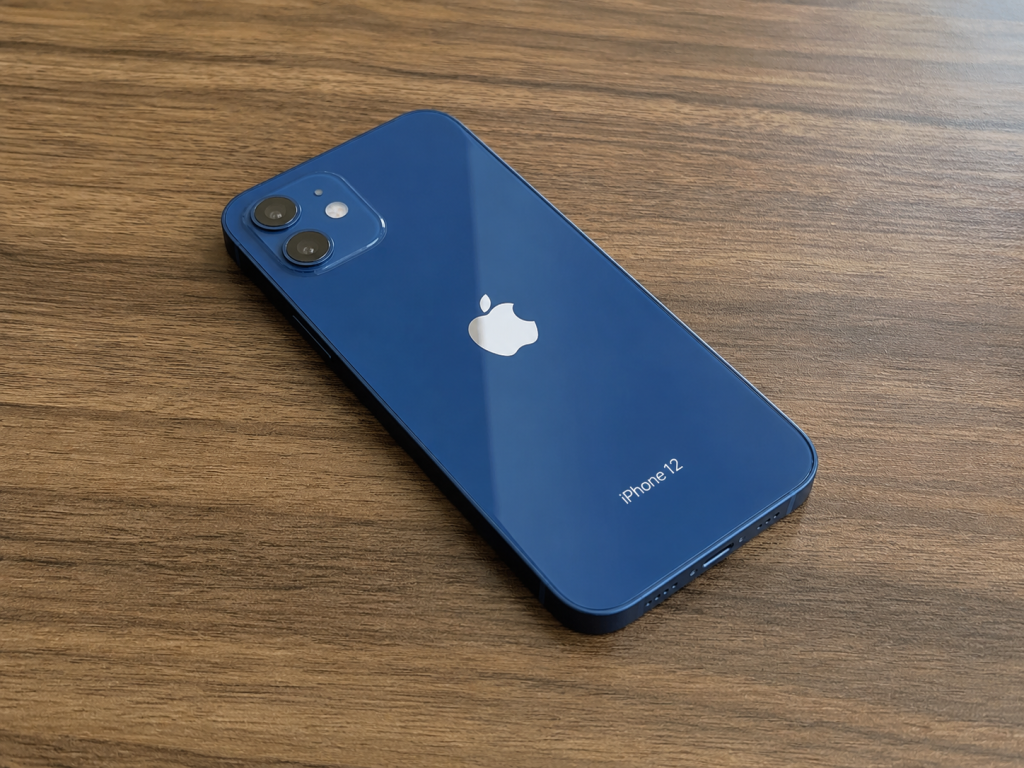
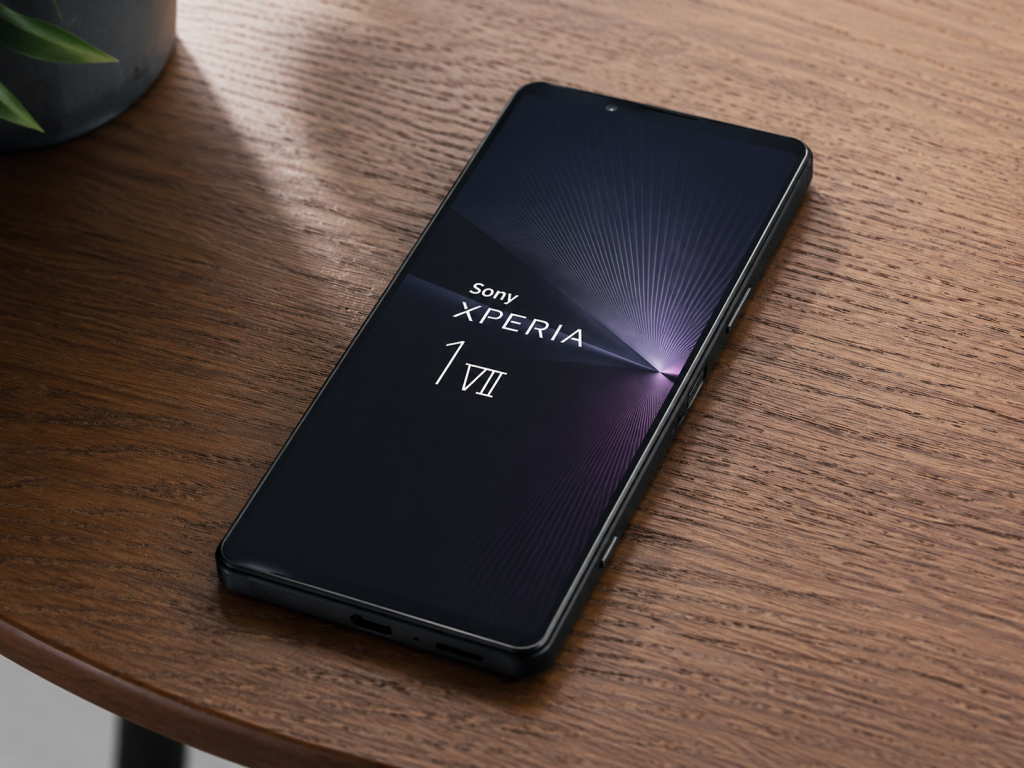
The iPhone 12 and the Sony Xperia 1 VII sit on opposite ends of the smartphone timeline. Apple’s iPhone 12 launched back in October 2020 as the first 5G-capable iPhone, introducing the flat-edge design language Apple still uses today. The Sony Xperia 1 VII, on the other hand, is a 2025 flagship built for creators, packing a Snapdragon 8 Elite chipset, a headphone jack, and Sony’s signature camera-and-audio pedigree.
Comparing a five-year-old phone to a current flagship isn’t really a fair fight on paper, but it’s a useful exercise if you’re deciding between a budget-friendly secondhand iPhone and a premium, niche Android alternative. Here’s how they stack up.
Quick Comparison Table
| Spec | iPhone 12 | Sony Xperia 1 VII |
|---|---|---|
| Release Year | 2020 | 2025 |
| Display | 6.1″ OLED, 60Hz, 2532×1170 | 6.5″ OLED, 120Hz, 19.5:9 |
| Chipset | Apple A14 Bionic | Snapdragon 8 Elite |
| RAM | 4GB | 12GB |
| Storage | 64/128/256GB | 256GB (expandable via microSD) |
| Rear Cameras | Dual 12MP (Wide + Ultrawide) | Triple: 48MP main, 48MP ultrawide, 12MP telephoto |
| Battery | 2,815 mAh | 5,000 mAh |
| Charging | 20W wired, 15W MagSafe wireless | 30W wired, wireless + reverse wireless |
| Headphone Jack | No | Yes |
| OS | iOS (up to iOS 18 supported) | Android 15 |
| Starting Price (launch) | $799 | ~$1,300–$1,400 |
Design and Build Quality
The iPhone 12 introduced Apple’s flat-sided aluminum frame with a Ceramic Shield front cover, a design so influential that Apple stuck with it for years afterward. It’s compact, one-handed friendly, and rated IP68 for water resistance.
The Xperia 1 VII takes a completely different approach: a tall, narrow 19.5:9 chassis with a grippy, matte-textured glass back and ribbed aluminum edges. It’s noticeably larger and more of a two-handed device, but Sony’s build quality is excellent, and it retains a 3.5mm headphone jack and microSD expansion — both rarities in 2025 flagships.
Display Comparison
The iPhone 12’s 6.1-inch Super Retina XDR OLED panel was sharp and vibrant for its time, supporting HDR10 and Dolby Vision, but it’s capped at a 60Hz refresh rate, which feels dated next to nearly any current phone.
The Xperia 1 VII’s 6.5-inch OLED panel runs at a smooth 120Hz and benefits from Sony’s BRAVIA-derived color tuning, including a “Creator Mode” for accurate color reproduction. Peak brightness and HDR handling are also considerably ahead of the iPhone 12’s aging panel.
Performance and Speed
This is where the generational gap shows up most starkly. The A14 Bionic was excellent in 2020, but five years of chip advancement is a lot of ground to make up.
Processor and Benchmark Results
The A14 Bionic uses a 6-core CPU (2 performance + 4 efficiency cores) and a 4-core GPU, paired with 4GB of RAM. The Snapdragon 8 Elite in the Xperia 1 VII is built on a newer, more efficient process node with significantly higher single- and multi-core performance, plus 12GB of RAM for smoother multitasking. In real-world use and synthetic benchmarks alike, the Xperia 1 VII comfortably outperforms the iPhone 12 — as expected from a phone released five years later.
Camera Comparison
The iPhone 12 has a dual 12MP setup (wide f/1.6 and ultrawide f/2.4) with no telephoto lens, relying on Apple’s computational photography and Smart HDR 3 for strong, consistent results, especially in Night mode.
The Xperia 1 VII steps things up with a triple-camera system: a 48MP main sensor, a newly upgraded 48MP ultrawide with a larger 1/1.56″ sensor, and a 12MP continuous-zoom telephoto covering 85–170mm equivalent focal lengths. <cite index=”4-1″>Dynamic range and color rendition on the ultrawide are excellent, arguably the standout camera on the phone</cite>. That said, <cite index=”7-1″>the Xperia 1 VII doesn’t score as high as some rival flagships in camera tests, with inconsistent exposure and visible sharpening artifacts noted by reviewers</cite>.
Video Recording Capabilities
The iPhone 12 records up to 4K60 with Dolby Vision HDR, which was groundbreaking for a phone in 2020 and still looks solid today. <cite index=”4-1″>The Xperia 1 VII can record video up to 4K120 with all three rear cameras</cite>, giving it a clear edge for slow-motion and professional-style video work, backed by Sony’s Video Pro app modeled after its Alpha mirrorless cameras.
Battery Life and Charging
The iPhone 12’s 2,815 mAh battery was always its weak point, often requiring a midday top-up under heavy use. It supports 20W wired charging (sold separately) and 15W MagSafe wireless charging.
The Xperia 1 VII’s 5,000 mAh battery is nearly double the capacity, supports 30W wired charging, and adds wireless and reverse wireless charging — a much more comfortable experience for all-day use.
Software and User Experience
The iPhone 12 runs iOS, and thanks to Apple’s long support window, it has received updates all the way through iOS 18, keeping it secure and reasonably current years after launch.
<cite index=”3-1″>The Xperia 1 VII ships with Android 15, with Sony promising up to 4 major Android upgrades and 6 years of security updates</cite>, a notably long commitment for an Android device and one that helps justify its premium price over time.
Storage and RAM Options
The iPhone 12 shipped in 64GB, 128GB, and 256GB storage tiers, paired with 4GB of RAM — plenty for iOS’s memory management at the time, though tight by today’s multitasking standards.
<cite index=”3-1″>The Xperia 1 VII comes with 256GB of internal storage paired with 12GB of RAM</cite>, and unlike the iPhone, it supports microSD expansion, letting users add extra storage rather than being locked into a fixed tier.
Connectivity and Network Features
Both phones support 5G, though the iPhone 12 was Apple’s first 5G phone and uses an earlier modem generation compared to the Xperia 1 VII’s more advanced 5G implementation. The Xperia also retains a physical SIM tray without needing a pin, expandable storage, and NFC for contactless payments, similar to the iPhone.
Audio and Multimedia
This is a decisive category for Sony. <cite index=”1-1″>The Xperia 1 VII borrows Hi-Fi sound technology from Sony’s Walkman line</cite>, and <cite index=”3-1″>its audio has been enhanced with high-end components from Sony’s Walkman audio players, including higher-quality solder in the headphone jack and support for AI-based DSEE Ultimate upscaling, Hi-Res Audio, LDAC, and Dolby Atmos</cite>. It also keeps the 3.5mm headphone jack that the iPhone 12 dropped years earlier. The iPhone 12 still sounds good through its stereo speakers and supports Dolby Atmos playback, but it can’t match the Xperia’s dedicated audiophile-grade hardware.
Security Features
The iPhone 12 uses Face ID for biometric authentication, backed by Apple’s Secure Enclave. The Xperia 1 VII uses a side-mounted fingerprint scanner, which reviewers note is notably fast, along with standard Android security features and Sony’s long-term security update commitment mentioned above.
Price and Value for Money
The iPhone 12 launched at $799 and is now typically available secondhand or refurbished for a fraction of that price, making it a strong budget option for anyone wanting a reliable, well-supported iOS device.
<cite index=”11-1″>The Sony Xperia 1 VII starts at around $1,389.99 in the United States</cite>, positioning it as a premium, niche flagship rather than a mainstream value pick. <cite index=”9-1″>Reviewers have generally concluded it’s a capable handset that can’t quite match some rivals, while coming in at a higher price</cite>.
Pros and Cons
iPhone 12
- ✅ Affordable, especially secondhand
- ✅ Long software support (up to iOS 18)
- ✅ Compact, one-handed design
- ✅ Reliable computational photography
- ❌ 60Hz display feels dated
- ❌ Smaller battery
- ❌ No telephoto camera
Sony Xperia 1 VII
- ✅ 120Hz display with excellent color accuracy
- ✅ Versatile triple-camera system with continuous zoom
- ✅ Headphone jack and microSD expansion
- ✅ Large battery, faster charging
- ✅ Long update commitment
- ❌ High price for what it delivers
- ❌ Camera processing inconsistent versus top rivals
- ❌ Large, narrow form factor won’t suit everyone
Which Phone Should You Buy?
If budget is the priority and you’re comfortable buying an older but still-supported phone, the iPhone 12 remains a sensible, affordable choice, especially secondhand. If you want cutting-edge speed, a versatile camera system, top-tier audio hardware, and features like a headphone jack and expandable storage, and you don’t mind paying a premium for a niche flagship, the Xperia 1 VII is the far more capable device — just not necessarily the best value one.
Frequently Asked Questions (FAQs)
Is the iPhone 12 still worth buying in 2026? It can still be a reasonable budget pick, particularly refurbished, since it continues to receive iOS updates, but its battery life and display refresh rate are clearly dated.
Does the Xperia 1 VII have a headphone jack? Yes, it’s one of the few current flagships to keep a 3.5mm jack, along with microSD expansion.
Which phone has the better camera? The Xperia 1 VII has more versatile hardware, including a true optical zoom lens, but reviewers note the iPhone 12’s simpler dual-camera system produces more consistent processing.
Which phone has a better display? The Xperia 1 VII, thanks to its 120Hz refresh rate and higher brightness, though the iPhone 12’s panel was excellent for its era.
Final Verdict
These two phones aren’t really direct competitors — one is a budget-friendly older iPhone, the other a 2025 premium Android flagship — but the comparison highlights how far smartphone hardware has moved in five years. The Xperia 1 VII wins comfortably on raw performance, display, battery, and camera versatility. The iPhone 12 wins on price and remains a genuinely usable phone today thanks to Apple’s long software support. Choose based on budget and priorities rather than expecting a fair fight on specs.